
Philosophy · Choice · No Absolutes
You don’t need certainty to make your next choice
A changing world asks us to make decisions before we have every answer. A practical starting point is to stay curious, act where you have influence, and leave room to reconsider.
It is easy to put a decision on hold while waiting to feel certain. A new direction, an unfamiliar conversation, or a belief we have held for years can seem easier to leave untouched until we know exactly what comes next.
But the next step rarely arrives with a complete set of answers. We choose with the information and experience available to us. The useful question becomes: how can we make that choice while staying open to what we have yet to understand?
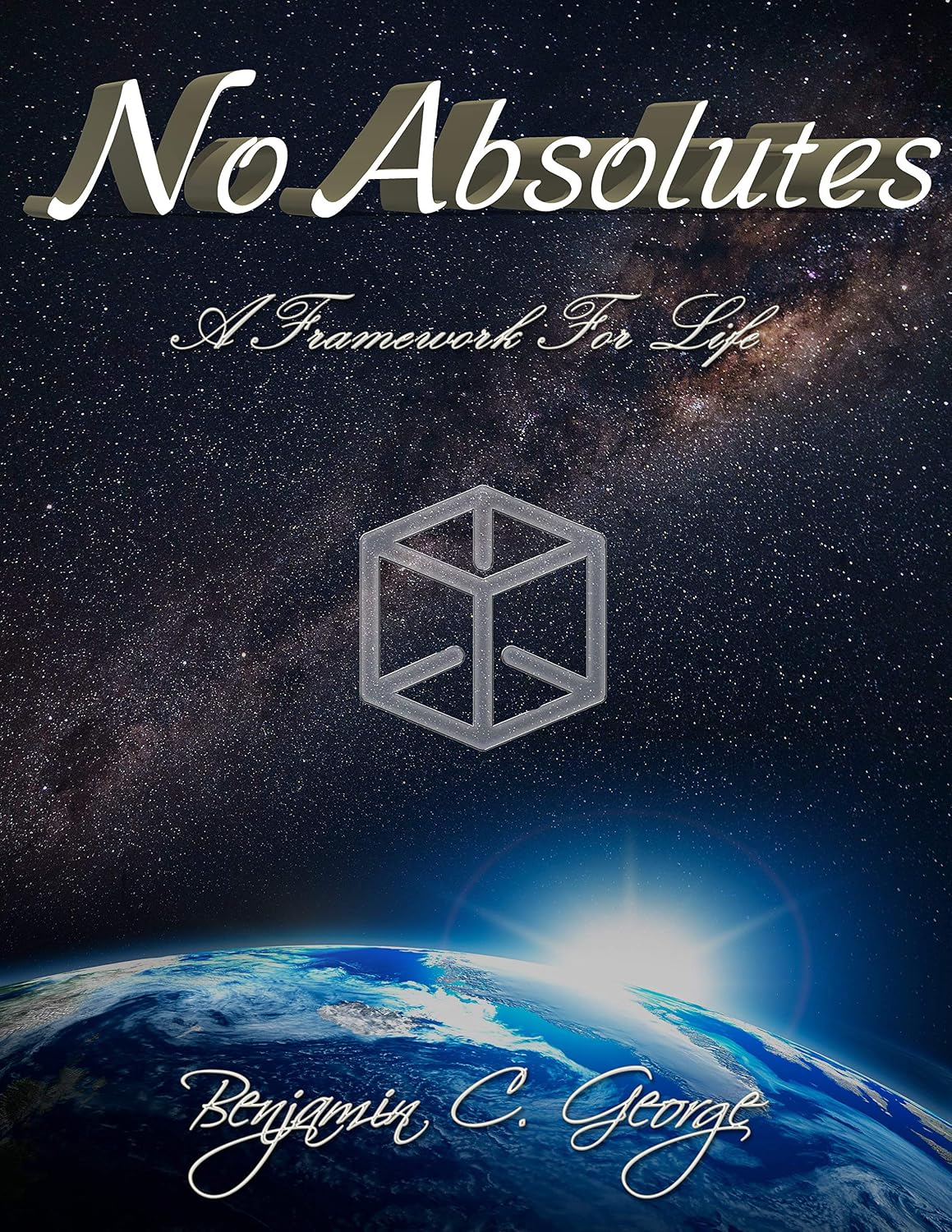
That question sits at the heart of No Absolutes: A Framework for Life. The book explores a personal philosophy built around choice, balance, and the willingness to reconsider a familiar perspective.
Keep an idea open to revision
There is a difference between using an idea to find your way and treating it as a rule that can never change.
An idea can help you decide what to try next. It can also make you curious about the experiences or information that would change your mind. Holding that possibility open gives a conversation, a relationship, or a difficult decision more room to develop.
A useful question to carry into an unfamiliar situation is: what might I be missing? You do not need an immediate answer. The question itself can help you listen more closely.
Find the part you can influence
Some circumstances sit outside our control. Other parts of a situation are close enough to act on: the words we choose, the question we ask, the effort we put into understanding, or the next small step we take.
One of the book’s practical guideposts is:
Focus on things you can influence, not on the things you can not.
That can begin with something ordinary. Ask for the information you need. Give a conversation your attention. Take one manageable step toward a goal, then notice what happens. The point is to find an action you can take within the situation you actually have.
Make reflection part of the choice
A decision does not have to be the end of your thinking. After acting, make time to look back. What changed? What did you learn? Which assumption would you approach differently now?
Reflection gives the next choice a little more experience to draw on. It also makes room for a change of direction when an earlier view no longer fits.
For your next decision, try three questions:
- What am I assuming?
- What can I influence here?
- What would make me reconsider?
These questions are an invitation to stay curious as you move. You can take your choices seriously while leaving space to learn from them.
Explore the book and read a complete page from No Absolutes.